The full roster of teams we cover, with the desk's read on each
Nine competitive organisations across three regional circuits. Each team page has roster, captain, region, map pool, head-to-head record and current form. Updated within a day of any confirmed roster move.
Power ranking — this week
The four teams at the top of the desk's power ranking, with the case for each.

Cobalt
Defending champions. The deepest map pool in the EU region. The off-angle adjustment is theirs to lose.
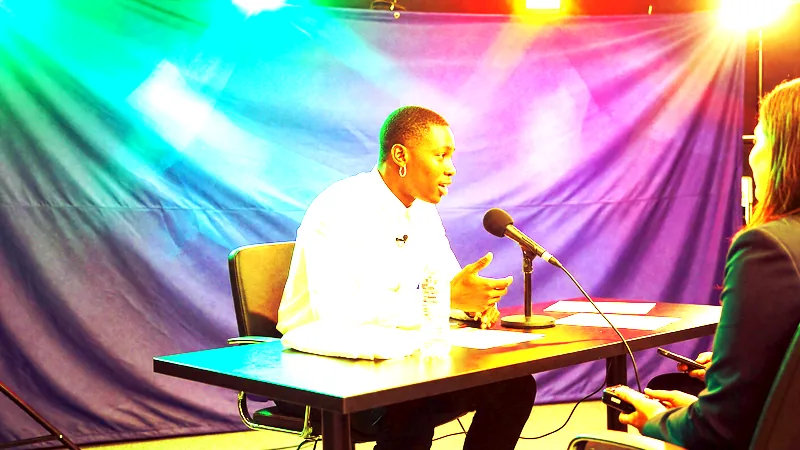
Aurora
Two new signings, one of the highest-rated entry duelists on the circuit, and a third map nobody had on the tier list.

Meridian
The IGL who has been on the circuit since the open era. The team that quietly wins the maps nobody else wants to play.

Helix
The third map is the surprise of the open bracket. The depth of the rest of the map pool is the question that will define their season.
What goes on a team page
The six things the desk publishes on every team page. None of them are opinion.
Roster
Five players, one coach, one analyst, one manager. Updated within a day of any confirmed move. The roster section is the most-edited part of any team page and the desk treats roster accuracy as a non-negotiable.
Captain or IGL
Every team has a designated in-game leader. The desk names the IGL and tracks the games they have called. The IGL section is also where the desk flags when a team rotates IGL duties between two players.
Region and circuit
EU, Americas or APAC. The desk does not currently cover LATAM, MENA or Oceania regional circuits. Teams that move regions mid-season are flagged on their team page and on the regional power ranking.
Map pool
Strong maps, weak maps, signature maps. The desk tracks the map veto for every series and aggregates the data over the season. Map pool data is updated weekly during the active season.
Head-to-head record
By match, by map, by series. The archive goes back to 2021. The desk maintains the archive by hand and updates within an hour of any official result.
Current form
Last five series, last ten maps, win rate, map differential. The desk treats form as a number, not a narrative, and the form section is updated within an hour of any official result.
Read the desk's read on every team.
Get started with the desk
A reader account is free. Follow teams, save bookmarks, and opt into quiet push notifications.
Editorial coverage of competitive gaming for readers 18 and over. esportsx is an independent newsroom. We do not operate a sportsbook, take bets or sell picks. For help with problem gambling see responsible play resources.
How the desk tracks current form
The five numbers the desk publishes on every team page, with the desk's read on what each one means.
Last five series
The most recent five series, with the result. The desk uses last-five as a quick read on whether a team is in form. A team on a three-series winning streak is in form; a team on a three-series losing streak is in a slump. The desk does not weight last-five by opponent strength — that is what the next metric is for.
Strength of schedule
The average opponent ranking across the last five series. A team on a three-series winning streak against top-eight opponents is in better form than a team on a three-series winning streak against bottom-eight opponents. The desk's power ranking uses strength of schedule to break ties.
Map differential
Maps won minus maps lost, across the season. The cleanest single number for a team's macro form. A positive map differential means a team is winning more maps than it loses; a negative differential means the opposite.
Win rate by map
Win rate on each map in the active pool. The desk uses win rate by map to read the map veto — a team with a 75% win rate on a map is almost certain to leave it in the veto; a team with a 25% win rate is almost certain to ban it.
Win rate by side
Win rate on attack and on defence. The side win rates are the cleanest read on the team's preferences. A team with a 60% attack win rate and a 40% defence win rate prefers to start on attack; the desk uses the side win rate to read the half-time switches.
Recent form trend
A line chart of the team's map differential over the last ten series. The trend line is the most useful single chart on a team page — it shows whether the team is improving, plateauing, or declining over the recent run of play.