Long-form reference for the desk's readers
How to read a bracket, how to read a map pool, how to read a patch. The guides are written for the reader who watches the broadcast and wants to understand it more deeply.
Reading the broadcast
The guides that help you follow the cast as a reader of the game, not just a viewer.

Reading a single map
The six things the analyst desk watches on every map, and why the kill feed is the least useful of them.

Reading a bracket
Single elim, double elim, round robin, Swiss — what each format actually rewards and how to read it on the broadcast.

Reading a patch
How a single operator rework ripples through the analyst desk, the map veto, and the format story of the next two weeks.

Streaming and viewing
Where to watch every region, in every language, with the cast rotation noted for each matchday.

Reading a roster move
What a confirmed signing actually means for the team's map pool, the IGL dialogue, and the format story of the next month.
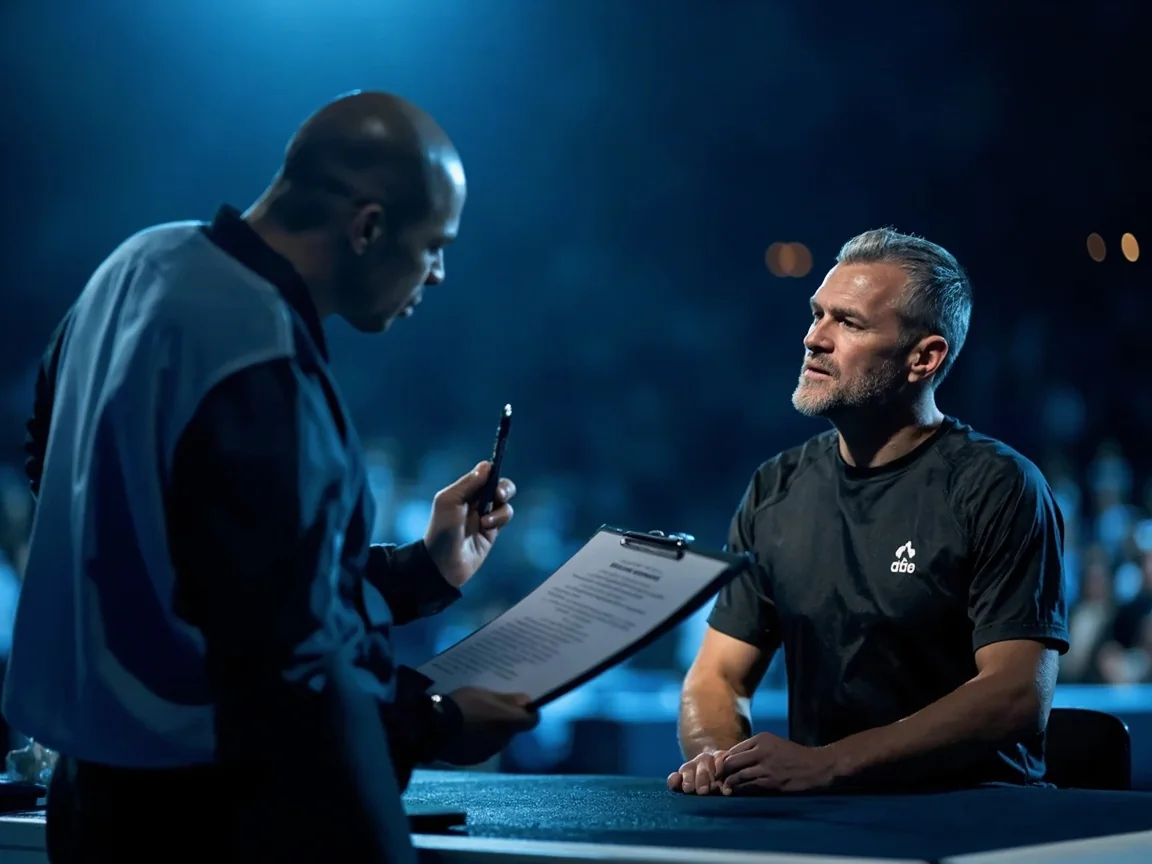
Following the cast rotation
How the analyst desk shifts through the season and which casters to listen for at each stage of the broadcast.
What the desk assumes you know
A short reader's manual. The desk writes for someone who has watched a broadcast but never read a tactical analysis. These are the building blocks.
The economy
Every round has an economy. The economy determines what each player can afford: full kit, half kit, save. A forced save is a deliberate round loss to bank money for the next two rounds. The economy is the cleanest read on momentum the analyst desk has.
The map pool
Each title has an active map pool — usually seven to nine maps in competitive rotation. A team's map pool is the subset they are confident playing. Strong map pools are deep; weak map pools are visible in the veto.
The veto
Before each series, the two teams take turns banning and picking maps. The veto reveals the format story of the series before a single round is played. Reading the veto is the desk's first job on any preview.
The macro
Macro is the team's plan for the round: when to take, when to save, when to rotate. The IGL is the macro caller. A team with a strong macro wins rounds even when the entry duelist loses the duel.
How the guides are written
Every guide on the desk is a long-form read. None of them are quick takes.
1,500+ words
The minimum length for any guide on the desk. Most run 2,500–4,000 words. Short-form reading is the news stream; long-form reading is the guides.
Reader-first
Every guide assumes the reader has watched a broadcast but never read a tactical analysis. The aim is to make the cast's read accessible without dumbing it down.
Updated, not replaced
Guides are updated in place. The desk never publishes a "new version" of a guide. The reader can see the update history at the bottom of every guide.
Long-form reference for the desk's readers.
Get started with the desk
A reader account is free. Follow teams, save bookmarks, and opt into quiet push notifications.
Editorial coverage of competitive gaming for readers 18 and over. esportsx is an independent newsroom. We do not operate a sportsbook, take bets or sell picks. For help with problem gambling see responsible play resources.
The full guides index
Every long-form read on the desk, sorted by topic.
Reading a single map
The six things the analyst desk watches on every map. Pairs with the live broadcast.
Reading a bracket
What each format rewards and how to read it. Read this before the next playoff.
Reading a patch
How a single operator rework ripples through the cast. Read this the morning of every patch.
Streaming and viewing
Where to watch every region, in every language, with the cast rotation noted for each matchday.
Reading a roster move
What a confirmed signing actually means for the team's map pool, the IGL dialogue, and the format story of the next month.
Following the cast rotation
How the analyst desk shifts through the season and which casters to listen for at each stage of the broadcast.
How to use the guides
A short reader's guide to the guides.
The guides are written for the reader who watches the broadcast and wants to understand it more deeply. Each guide assumes the reader has watched at least one competitive match, but no other prior knowledge of the competitive circuit.
The best way to use the guides is to read one before the relevant event. Reading the bracket formats guide before a playoff, for example, helps the reader follow the cast's read on the format. Reading the patch notes guide the morning of a patch helps the reader understand the analyst desk's read on the change.
The guides are updated in place. The desk does not publish a "new version" of a guide. The reader can see the update history at the bottom of every guide.